
The Future of Airline Loyalty Programs: Are Frequent Flyer Miles Still Worth It?
Business to Consumer
April, 28, 2026
The airline industries around the globe are not just locked into connecting millions of passengers daily across domestic and international destinations. In fact, more than evaluating airline companies based on who is sitting at the top of the food chain, it also matters who is ruling the roost in offering the elite treatment to their customers through loyalty programs or loyalty marketing initiatives to foster brand loyalty and attain competitive advantage amidst rising competitions in the airline sectors. Frequent flyer miles, therefore, are no less than crown jewels of loyalty programs for airline companies to build a long-term rewarding experience with travellers by promising them free flights, complimentary cabin upgrades and airport lounge access.
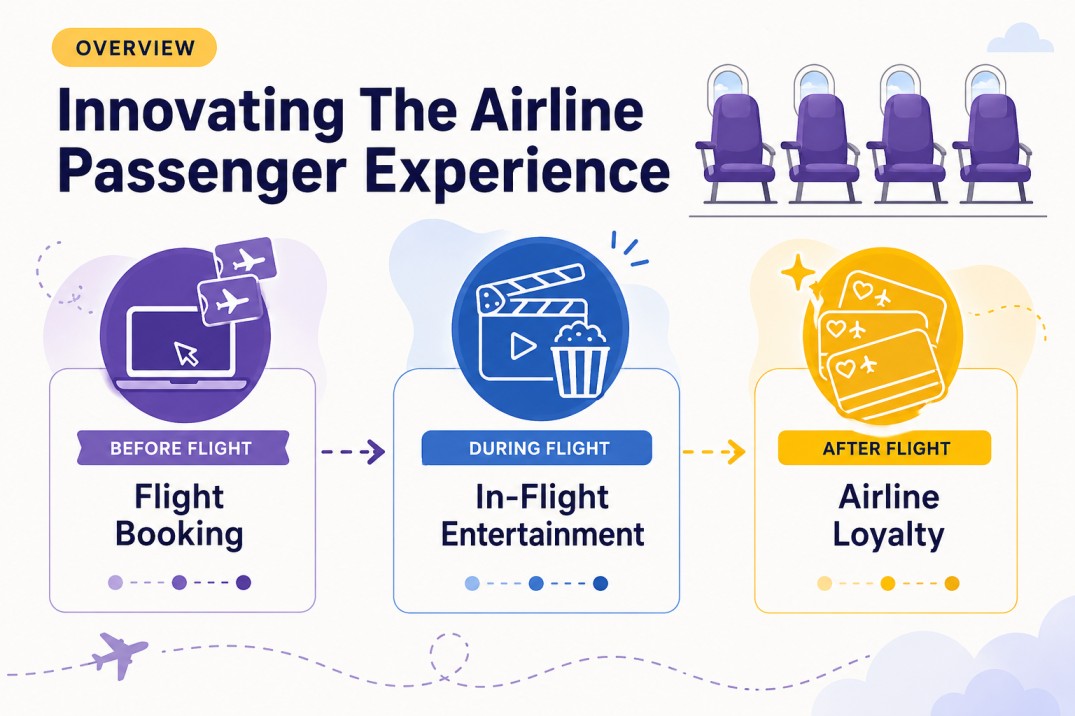
Source: OAG.com
However, the landscape of loyalty marketing initiatives has gone through a massive transition from being a simple frequent program to a frequent spender ecosystem. With award charts being no longer in the picture, the dynamic pricing stepping into the picture, and miles losing value faster than travellers can earn them, the important question people often ask themselves is whether the loyalty programs are still worth their time and money.
The quick answer to this conundrum is that such programs do have their own charm, but it depends on your knowledge of how these programs work. This write-up is taking a deep dive into explaining whether frequent flyer miles hold water for passengers and what sort of future they represent for the airline industries. However, one thing is very clear that traditional loyalty models face challenges from today's evolving behaviors and expectations of travellers, as they don't need just points but flexibility that aligns with their lifestyle and values.
The Evolution of Airline Loyalty Programs - What Changed?
The journey of airline loyalty programs started with a simple premise of encouraging passengers to earn more by flying more. Back in the early days, airlines awarded loyalty programs based on how much distance a passenger travelled. For example, if you travelled 2,000 miles, you would roughly earn 2,000 redeemable miles. The interesting thing is those days are almost gone. Today’s airlines follow different strategies to leverage miles for their own profitable gains.
For example, in the context of the US airlines like Delta Air Lines, United Airlines, and American Airlines, they mostly award miles according to how much a traveler spends rather than how far they fly. This is the transition changing the loyalty dynamics fundamentally. You see, airlines now view their loyalty programs as a standalone business model, generating billions in annual revenue through partnerships with banks, hotels, rental car companies and retailers. As a reader of this piece, you are not wrong if you think that the loyalty programs have become a high-margin cash cow for the airline companies today.
|
Rank |
Airline |
Loyalty Program |
2020 Valuation (USD Million) |
2023 Valuation (USD Million) |
Growth |
|
1 |
Delta Air Lines |
SkyMiles |
25,391 |
27,923 |
0.1 |
|
2 |
American Airlines |
AAdvantage |
23,440 |
23,922 |
0.02 |
|
3 |
United Airlines |
MileagePlus |
20,172 |
22,001 |
0.09 |
|
4 |
Southwest Airlines |
Rapid Rewards |
8,013 |
8,828 |
0.1 |
|
5 |
Lufthansa Group |
Miles & More |
7,418 |
7,971 |
0.07 |
|
6 |
British Airways, Iberia, Aer Lingus, Vueling |
IAG Avios Programs |
5,138 |
7,084 |
0.38 |
|
7 |
Air France-KLM, Kenya Airways, Tarom |
Flying Blue |
6,675 |
6,923 |
0.04 |
|
8 |
Air Canada |
Aeroplan |
6,331 |
6,840 |
0.08 |
|
9 |
Korean Air |
SkyPass |
4,375 |
4,594 |
0.05 |
|
10 |
Cathay Pacific |
Cathay |
4,701 |
4,552 |
-3% |
How are Traditional Loyalty Programs Losing Appeal to Passengers?
According to the report by McKinsey, the landscape of traditional loyalty programs is shifting because of the recent trends showing gradual reversal of the shift based on evolving customer behaviors, preferences and priorities. The report's findings suggest that the possibility of a customer recommending an airline's loyalty programs even to themselves, let alone recommending to their friends and colleagues, has declined sharply. While loyalty programs may no longer hold the same value as they once did for passengers, they, however, are positive about the service quality of their favorite airlines.
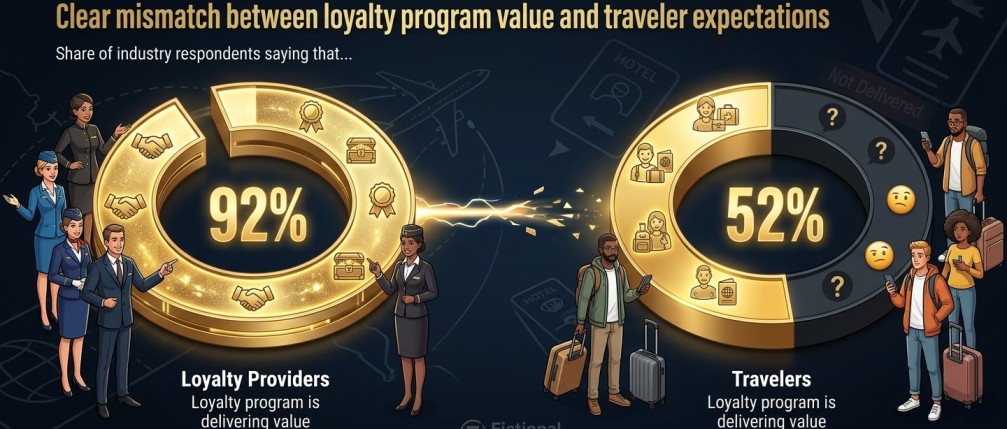
Traditional loyalty programs are also losing appeal to passengers because of being irrelevant to their expectations. For example, 71% of customers do not appreciate generic rewards and expect something tailored to their preferences without dealing with complicated rules and frustrating redemption processes. In addition, the reward points are also losing their perceived value because of the way airlines have commoditized and made them loyalty programs lacking emotional connection. As a result, they are not holding any value for passengers, particularly the young generations who prioritize authenticity and shared value over simple discounts. Factors like legacy systems not supporting real-time rewards and profusion of identical reward points systems from every brand also give birth to declining appeal of loyalty programs among customers.
Are Frequent Flyer Miles Still Valuable?
Whether frequent flyer miles are valuable or not depends on how you earn and redeem them. Gone are the days when collecting miles through flights alone didn't matter to earn direct rewards like free domestic tickets, or complimentary upgrades. Airline loyalty programs in today's times are more sophisticated, with airline companies rolling out dynamic pricing, variable redemption rates and limited fixed reward charts. For travellers, these are barriers to earn miles easily. However, for the travellers who regularly fly with a single airline, earning miles can mean a pathway to great perks like free flights, cabin upgrades, and priority boarding, preferred seating etc.
To say otherwise, if you book a flight for Asia or Europe, you will earn miles in greater value than redeeming the same number of miles for short-haul domestic flights. Now, frequent flyer miles become problematic when airlines adjust redemption rates without early notice, meaning the same award ticket may cost you more miles next day than it may today.
Factors like limited award seat availability, blackout dates and complex routing rules frustrate travellers who want to maximise their rewards. Also, the value of miles in redemption depends largely on the nature of flying. Meaning, redeeming your miles for low-value domestic fares may not get you a higher return compared to premium cabin upgrades or long-haul partner flights. To reiterate, frequent flyer miles are good if you know how to use them effectively.
Three Concrete Steps to Reshaping the Future of Airline Loyalty Dynamics
One thing is very clear that if airline companies keep tweaking their reward programs, that won't work in satisfying customers. Instead of tweaking, evolving the programs into fully immersive ecosystems that engage customers deeply with timely offers and better travel experience is quite a recommendable strategy. It is okay if airlines speculate about the future directions, however, what is also needed is to take a better look at the practices currently shaping the aviation industry. Here are three fundamental models to redefine loyalty programs.
Subscription Models
Subscription models, just like Netflix, are gaining popularity among young and frequent travellers, signifying how loyalty programs are shifting. An example of Malaysia-based AirAsia is worth mentioning as it has revamped its travel subscription plan that allows travellers to enjoy unlimited flights within 10 ASEAN countries. Alaska Airlines is another example that rolled out an annual flight subscription program, and Saudia is another one that announced a new subscription product for the Middle East, in partnership with Cravelo. In addition, WizzAir and Cravelo announced "Flight Pass" that allows subscribers to get two round trips per month for a monthly fee starting at $49. The goal of the programs is to build lifetime customer value rather than tying each purchase to its transaction value. Besides, the models also account for recurring revenue for airlines together with ensuring customer retention.
Gamification
Most airlines have incorporated gamification into their loyalty programs to make travelling more engaging. It is a notable shift of the loyalty marketing landscape from being transactional to something tailored to customers' expectations. Mastercard, in this context, is a name worth telling, as it has applied gamification in loyalty marketing by collaborating with partner airlines. As a result, there have been 10 times more engagement and 8 times more incremental value, not to mention 22% of improvements in average basket size. In the US, Delta Airline has been a name in the aviation industry of the country that has successfully integrated gamification to redefine loyalty dynamics in terms of emphasizing sustainability, a concept that is still not widespread in application in the industry.
Personalisation
Using advanced customer analytics, airline companies can personalize airline loyalty programs, making way for creating highly tailored and exclusive offers resonating with individual customer preferences and behavior. While airlines can choose to temporarily enhance the elite status of customers who increase their travel frequency within a short timeframe or during off-peak periods, they can also use customer data to personalise customers' experience concerning the rewards. Also, instead of offering a generic access to an airport lounge, a loyalty program should allow travelers to avail one-time entry to a luxury spa or a private dining experience at the airport. Personalisation can also be amplified by offering seat upgrades, or extra baggage allowances for a family travelling on vacation.
Winding Up: Are Frequent Flyer Miles Worth It?
Based on what we have discussed so far, a conclusion can be made that airline loyalty programs like frequent flyer miles are not going away, though their traditional models are definitely losing mainstream popularity. These loyalty programs are undergoing a phase of change based on changing customers’ expectations and priorities. Beyond being a traditional model of earning miles through flights, the loyalty landscape is embracing dynamic pricing, personalised rewards, and subscription-based models, as well as gamification and data-driven personalisation tactics to engage with travellers.
Frequent flyer miles, therefore, are worth it for frequent flyers, business travellers and strategic credit card users. These programs allow these travellers to avail benefits like free flights, premium cabin upgrades, lounge access and elite perks that will considerably enhance their in-flight journey. Thoughtfully redeeming rewards is one of the smartest ways even occasional travellers can reap benefits out of miles. However, ensure that your reward options do not digress from your travel goals. All in all, if you are looking to get the best value of your frequent flyer miles, use them in ways that deliver meaningful personal benefits.