
Top 10 Most Visited National Parks in America
Business to Consumer
December, 17, 2025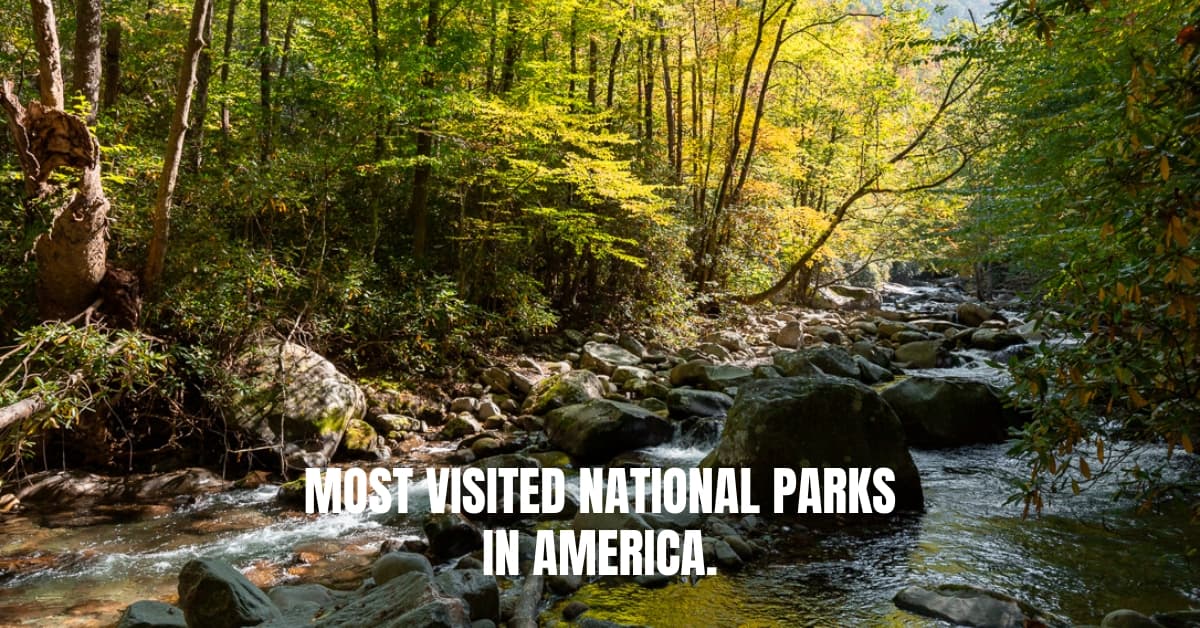
Ever since the National Park Service (NPS) began keeping records in 1904 in the US, the mountains, seaside wildernesses, and high deserts have attracted more than 16.4 billion visitors. The United States National Park Service, which oversees 63 national parks, protects some of the most spectacular landscapes, ecosystems, and geological features of the Earth. The cumulative figure for recreation visits to these parks in 2024 exceeded 94 million, thus accounting for a larger part of the overall NPS site record of 331.9 million trips. The surge is an indication of growing public interest in outdoor recreation, conservation, and the diverse nature of these protected areas.
The national parks that receive the highest number of visitors each year offer the same, and more, to their visitors: easy access, breathtaking views, and a plethora of recreational options ranging from hiking and observing animals to taking leisurely drives through the parks. According to 2024 NPS data, the following parks are the most visited in the order of recreation visits, which is also indicative of their popularity. Each park possesses distinctive formations and ecological and historical features that not only attract visitors but also underscore the need for conservation.
1. Great Smoky Mountains National Park:
This is one of the most visited national parks, attracting over 12.19 million visitors. Located at the boundary of North Carolina and Tennessee, Great Smoky Mountains National Park is still the most visited park in the system. The Appalachian region encompasses over 500,000 acres of old-growth hardwood forests and derives its name from the blue mist that often shrouds its summits. The park is a hotspot for species diversity, featuring more tree species than the entire region of Northern Europe and habitats for animals such as bears, elk, and fireflies that glow simultaneously. Year-round visitors are drawn by free admission, proximity to the eastern population centers, and the extensive network of over 800 miles of hiking trails, which include a section of the Appalachian Trail. Mountain road trips, such as Newfound Gap Road, afford easy access to stunning viewpoints of the mountains' layered silhouettes.
(Source: National Geographic)
2. Zion National Park:
The second most attractive national park, which attracts almost 4.94 million visitors, is located in southwest Utah and features some of the most spectacular mountain-like sandstone cliffs, beautiful narrow slot canyons, and picturesque rivers cutting through the red rock landscape. The park's famous attraction, Zion Canyon, which is accessible by shuttle, offers hikes such as Angels Landing and The Narrows, where participants wade through the river-cut gorges. All the different creatures live in various parks, and the deserts, lowlands, and hanging gardens, fed by seeps, are some of the places that make Zion's powerful vertical relief and rich colors a main trail and photographic spot at the same time.
(Source: NPS)
3. Grand Canyon National Park:
Attracting almost 4.91 million visitors, the Grand Canyon is one of the largest and most visited national parks in the United States. Arizona's Grand Canyon National Park is approximately 277 miles of chasm carved by the Colorado River, which provides access to the Earth's geological history dating back nearly 2 billion years. The South Rim leads the way with its fantastical overlooks, such as Mather Point, while the North Rim offers seclusion and solitude. Apart from these, the park provides rim-to-rim hiking, river rafting, and mule rides. The awe-inspiring height of the canyon and the constantly changing light that accompanies it have become, over the years, both a reminder and a living example of the slow yet powerful forces of erosion that have been at work for thousands of years.
(Source: National Geographic)
4. Yellowstone National Park:
With over 4.74 million visitors and spanning Wyoming, Montana, and Idaho, Yellowstone is the official name of America's first national park, established in 1872. It contains the most significant number of geothermal features in the world, including the Old Faithful geyser, colorful hot springs, and mud pits. Nature is rich with animal life; buffalo, grizzly bears, predators, and elk share the vast space of plateaus and forests. The supervolcano caldera is the reason for the park's landscape and, at the same time, a source of information about our planet's geology.
(Source: Wikipedia and National Geographic)
5. Rocky Mountain National Park:
With over 4.15 million visitors, the Rocky Mountain National Park, situated in northern Colorado, encompasses alpine tundra, montane forests, and more than 300 miles of trails. Trail Ridge Road, the highest continuous paved road in North America, crosses the Continental Divide, offering panoramic views above the treeline. Lakes like Bear Lake reflect the snow-capped peaks, while wildlife such as bighorn sheep and moose inhabit the surrounding meadows. The park simplifies the rugged beauty of the Rocky Mountains and their ecological transitions.
(Source: NPS)
6. Yosemite National Park:
Attracting nearly 4.12 million visitors, California's Yosemite National Park is renowned for its granite monoliths, including El Capitan and Half Dome, as well as glacial valleys and waterfalls, such as Yosemite Falls, the tallest in North America. Yosemite Valley, sculpted by glaciers, is home to meadows and sequoia groves. Outdoor sports, such as climbing and hiking the Mist Trail, and viewing ancient trees, draw visitors to this Sierra Nevada masterpiece, a landmark in conservation history.
(Source: NPS and National Geographic)
7. Acadia National Park:
With over 3.96 million visitors, Mount Desert Island in Maine's Acadia National Park showcases the extreme beauty of the Atlantic coast, featuring massive rocks, cliffs, and lush forests. Cadillac Mountain, the highest spot on the East Coast of the United States, offers the country the first sunrise views for most of the year. The carriage roads created by John D. Rockefeller Jr. serve as pathways for both bikers and hikers, allowing them to see different habitats that are home to peregrine falcons and intertidal creatures.
(Source: National Geographic and Wikipedia)
8. Olympic National Park:
With over 3.17 million visitors, Washington's Olympic National Park spans an area of nearly a million acres, encompassing temperate rainforests, glaciated mountains, and a rugged Pacific coastline. The Hoh Rain Forest, which is the wettest area in the park, enjoys more than 140 inches of precipitation annually, and it becomes the home of the most-draped bigleaf maples.
In the summertime, the subalpine meadows are full of flowers, whereas the beaches are lined with sea stacks. The park. Thus, it is a place where one can observe the three distinct ecosystems up close.
(Source: NPS and Wikipedia)
9. Grand Teton National Park:
Situated in Wyoming, Grand Teton National Park attracts over 3.62 million visitors, featuring the jagged Teton Range rising abruptly from the Jackson Hole valley. Pristine lakes like Jenny and Leigh reflect the peaks, while the Snake River winds through sagebrush flats. Wildlife viewing includes moose, pronghorn, and grizzlies. The park's dramatic fault-block mountains highlight the tectonic forces at work.
(Source: National Geographic and Wikipedia)
10. Glacier National Park:
Attracting over 3.20 million visitors, Montana's Glacier National Park preserves more than a million acres of the Crown of the Continent ecosystem, with remnants of ancient glaciers carving U-shaped valleys and creating turquoise lakes. Going-to-the-Sun Road traverses stunning passes, offering views of bears, mountain goats, and wildflowers. Though glaciers are receding due to climate change, the park remains a vital refuge for northern Rocky Mountain biodiversity.
(Source: NPS and National Geographic)
Conclusion
The ten parks mentioned here accounted for a large portion of national park visits in 2024, indicating that they are easily accessible and offer a fantastic getaway from the stressful and nonstop life of the city. The plus point is that they provide legendary attributes and are rich in nature. The areas they cover exhibit the diversity of the Americas' natural wonders—from the east's leafy forests to the west's deserts and high mountains. The parks attracting so many visitors points to the constant need of society for these protected places, but also shows that there is a need for careful management to preserve the parks for future generations. The National Park Service will, however, always find the right way to balance public access and conservation so that these sceneries will not cease to be what people draw inspiration from and science gains insight into.