
Delivery or Dine-in Statistics 2025: What American Consumers Prefer
Business to Consumer
December, 5, 2025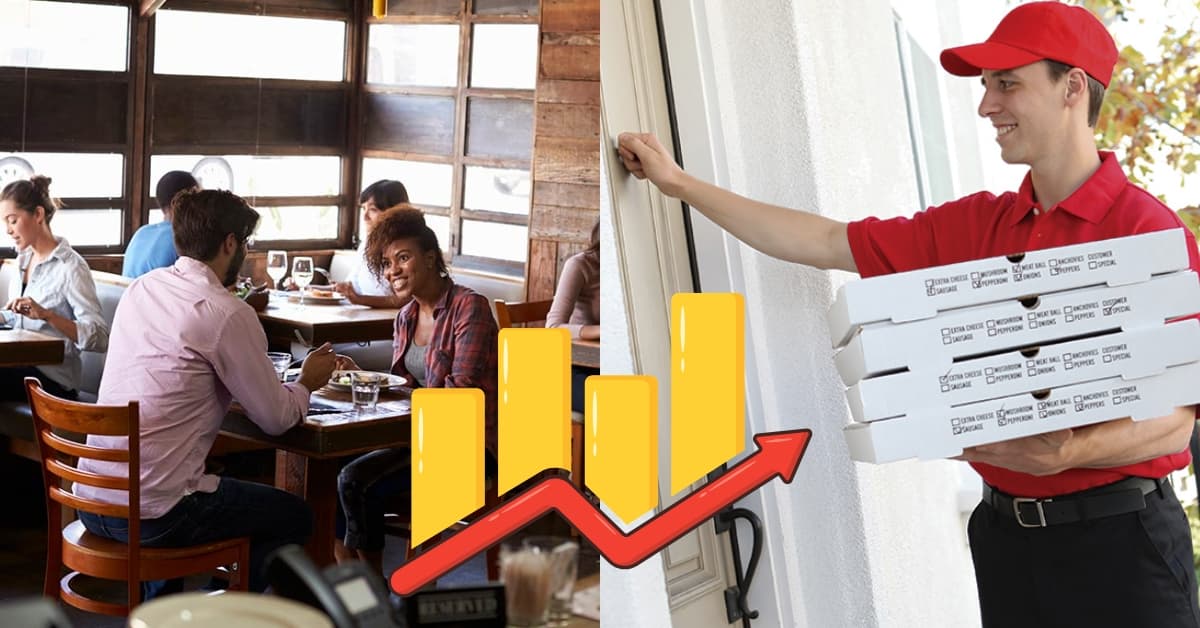
Over the past decade, food delivery and off-premises dining have transformed the American foodservice industry. What was once a dine-in-dominant culture has evolved into a hybrid system where delivery apps, digital ordering, takeout, and in-person restaurant experiences coexist. As the industry moves deeper into 2024-2025, new consumer research reveals a significant shift in how Americans choose between food delivery and dining out—shifts influenced by lifestyle changes, inflation, technology, and social factors.
This article analyzes the statistics of consumers' restaurant habits—food delivery vs. dining out within the US market—using the most recent survey data and industry insights. The goal is to clarify what Americans prefer today, why their habits are changing, and what these trends mean for the foodservice sector.
1. Overview: The Evolving American Dining Landscape
The pandemic led to the adoption and consumption of food delivery and takeout at levels never seen before, resulting in millions of consumers relying on delivery apps and off-premises dining as their regular habit. However, when the world reopened, many people speculated that there would be a dramatic return to dine-in.
Instead, it turned out to be more complicated: dine-in has bounced back significantly, but delivery has stayed around as a permanent option. According to the surveys, American consumers today are not deciding between the two options—they are using both of them in an interchangeable manner.
The year 2024 saw a significant shift in consumer preferences towards dining out, with 55% of Americans preferring dine-in options over delivery or takeout. Just a year ago, delivery was the majority's choice. In the same period, the frequency of dining out per month decreased slightly, indicating a re-evaluation of the two modes.
Still, delivery and takeout are holding their ground remarkably. The majority of Americans order through delivery apps at least once a month, and a considerable portion regularly take out food as part of their weekly routines.
All this results in a hybrid dining culture that is flexible and created to meet the needs of the lifestyle.
2. Statistics: U.S. Consumer Preferences and Habits
2.1 Dine-in Preference Rises Sharply:
In 2024, over 50% of the American population stated that they preferred eating out over delivery or takeout. This turn of events is significant because only a year earlier, the situation was completely reversed. The swing shows that the delivery cannot give atmosphere, connection, and social interactions, which are the main reasons for dining out.
2.2 Dining-Out Frequency Increased
The average American's restaurant visits have now reached about 5 times a month, which is an increase from around 3 monthly outings at the height of inflationary pressures in 2023. In addition, people are going to restaurants more; the average expenditure has almost reached $200 per month.
Several factors contribute:
-
a desire for social experiences
-
more confidence in public spaces
-
restaurant promotions
-
a "post-pandemic" effect
2.3. Delivery and Takeout Frequency Stabilizes:
Even with the resurgence of dine-in, roughly 70% of Americans still order delivery at least once a month, and a similar percentage say they purchase takeout on a monthly basis. However, frequency has slightly decreased as dine-in has made a comeback.
Delivery remains especially strong among:
-
Younger consumers (Gen Z and Millennials)
-
Higher-income households
-
Urban residents
-
Dual-income, no-kids households
2.4. Budget Sensitivity Still Shapes Behavior:
A survey conducted in 2025 reveals that 37% of Americans are eating out less because of the high prices and economic fears. Notably, the low-income group is reducing spending on both dine-in and delivery services.
On the other hand, the rich are frequenting restaurants and ordering more deliveries, which eventually leads to even more disparity between the different income groups.
3. Reasons for Dining Out by Consumers:
In 2024-2025, for many Americans, dining out is not just about food. According to the survey, the main reasons are
3.1. Atmosphere and Ambiance
-
A change of scenery
-
Aesthetic environments
-
High-quality service
-
Curated experiences
Restaurants that focus on ambiance, including lighting, decor, and service, have a competitive edge.
3.2. Specialization and Community
Restaurants continue to serve as a central social space. More than half of consumers say socializing is their main reason for dining out. People gather for:
-
Celebrations
-
Date nights
-
Family meals
-
Meetups
-
Weekend leisure
3.3. Food Quality and Variety
Consumers believe that dine-out food tastes better, is fresher, and has higher quality compared to food delivered. Specific cuisines simply lose integrity when transported.
3.4. Special Occasions
Around 44% of consumers say they dine out for special events—birthdays, anniversaries, holidays—experiences that cannot be replicated via delivery.
4. Why Consumers Choose Food Delivery and Takeout
Even though there was a little increase in preference for dine-in, delivery, and takeout cannot be overlooked. Leading reasons are as follows:
4.1. Convenience:
Convenience is the main factor. Ordering in takes less time, eliminates the trip, and involves no waiting, and planning becomes less complicated for busy families.
4.2. Comfort:
A lot of customers like home dining—it could be watching a movie, wearing the coziest outfit, or lying on the couch—but they do not want to go to a restaurant and can't stand the formal atmosphere.
4.3. Technology and App Culture:
The introduction of delivery apps has made ordering food as easy as pie, and it's on time, too. There are some consumers who use the applications to find new places to eat or to take advantage of the loyalty program.
4.4. Habitual Behavior:
Off-premises is a way of life for the younger generation. Many children started using delivery apps and consider restaurant delivery as a daily option rather than a special treat.
5. Demographic Differences in the USDining Habits:
5.1. Age
-
Gen Z and Millennials order the most deliveries: they value convenience and speed.
-
Gen X is split evenly between delivery and dine-in options.
-
Baby Boomers overwhelmingly prefer dining out and are the least likely to use delivery services.
5.2. Income
-
High-income households dine out and order delivery services due to the widespread adoption of mobile apps.
-
Lower-income consumers are most affected by inflation and reduce their dining frequency.
5.3. Urban vs. Suburban/Rural
-
Suburban households use more curbside pickup and family-style takeout.
-
Urban areas have the highest delivery rates due to app penetration.
5.4. Household Type
-
Dual-income, no-kids homes order delivery most frequently.
-
Families prefer to dine in for celebrations or order large-format takeout meals.
6. Industry Trends Shaping Consumer Behavior:
6.1. Recovery of Dine-in Experience
As social life rebounds, restaurants offering experiential and immersive dining see increased demand. Consumers report being "tired of staying home" and want entertainment integrated with food.
6.2. Inflation and Menu Pricing
Inflation still affects the food services. Prices have risen across the board, pushing some consumers to:
-
Dine out less
-
Order delivery less frequently
-
Shift to value-oriented restaurants
-
Favor fast-casual over full-service
6.3. Tech-Enabled Convenience
The delivery ecosystem is becoming more sophisticated, incorporating:
-
AI-powered recommendations
-
Faster delivery logistics
-
Real-time tracking
-
Loyalty programs
-
Cross-platform integrations
6.4. Health and Nutrition Concerns:
As delivery becomes more common, researchers raise concerns about the quality of diets. Food delivered via apps tends to skew towards fast food and calorie-dense menu items, which may potentially influence long-term health outcomes.
7. What the Hybrid Dining Future Looks Like:
A significant takeaway from the 2023-2024 research is that US consumers now embrace hybrid food consumption. Instead of choosing between delivery and dine-in, they use both strategically.
7.1. When Consumers Prefer Delivery:
-
Weekday evenings
-
late-night orders
-
solo meals
-
stress or fatigue days
-
convenience-driven situations
7.2. When Consumers Prefer Dining Out:
-
Weekends
-
Celebrations
-
Date nights
-
Social gatherings
-
Culinary experiences
This dual behavior suggests delivery is not replacing dining out; it complements it.
8. Implications for Restaurants and Food Businesses:
8.1. Restaurants Must Maintain Multi-Channel Operations
The strongest brands are those with both a strong dine-in experience and efficient off-premises capabilities. Ignoring delivery alienates a major consumer segment.
8.2. Experience Is the New Competitive Edge:
Since delivery cannot replicate ambiance, restaurants must focus heavily on:
-
Environment
-
Service
-
Entertainment
-
Food presentation
Experiential dining is now a growth driver.
8.3. Delivery Optimization Is Critical
Restaurants should continue to optimize:
-
Packaging
-
Menu items suited to travel
-
delivery partnerships
-
in-house ordering systems
8.4. Value Matters More Than Ever
With pricing concerns still top-of-mind, restaurants succeed when they offer:
-
Value meals
-
Promotions
-
Loyalty rewards
-
Bundles for families
-
Limited-time deals
8.5. Demographic Targeting is Key:
Restaurants can no longer rely on one-size-fits-all strategies. Tailoring offerings to specific demographic groups helps capture a broader range of segments.
9. Challenges Ahead:
Despite strong consumer demand for dining, for both dining out and delivery, several challenges persist:
-
rising costs for restaurants
-
labor shortages in service roles
-
delivery app fees reducing margins
-
consume rvalue sensitivity
-
health concerns about frequent restaurant food consumption
These challenges require strategic adaptation from operators.
10. What do U.S. consumers really prefer?
The debate between food delivery vs. dining out no longer has a clear winner—because Americans want both.
Recent statistics show:
-
Dine-in preferences and frequency are rising, driven by atmosphere, socialization, and the overall experience.
-
Delivery and takeout options remain extremely popular, driven by convenience, comfort, and technology.
-
Most Americans engage in both dining modes, choosing based on situation and mood.
-
Hybrid dining is now the dominant model in the U.S. foodservice industry.
Conclusion: A Form in the Road to Flavor Futures:
US consumers have a 55% preference for dining out, but delivery's 60% weekly grip ensures neither option fades. Habits blend: five dine-outs and four deliveries per month, all under FAFH's 55% dominance.
The result is a hybrid future in which restaurants must master both the table and the doorbell. Those that perfect the on-premise experience while offering seamless, high-quality delivery will capture the full wallet; those that choose one channel over the other will slowly cede share to competitors who refuse to pick a side. In the end, the winner isn’t dine-in or delivery; it’s the operator who makes the consumer feel they never had to choose.