
10 Warning Signs Your Dog Needs Vet Care Immediately (Before It Becomes an Emergency)
Business to Consumer
May, 19, 2026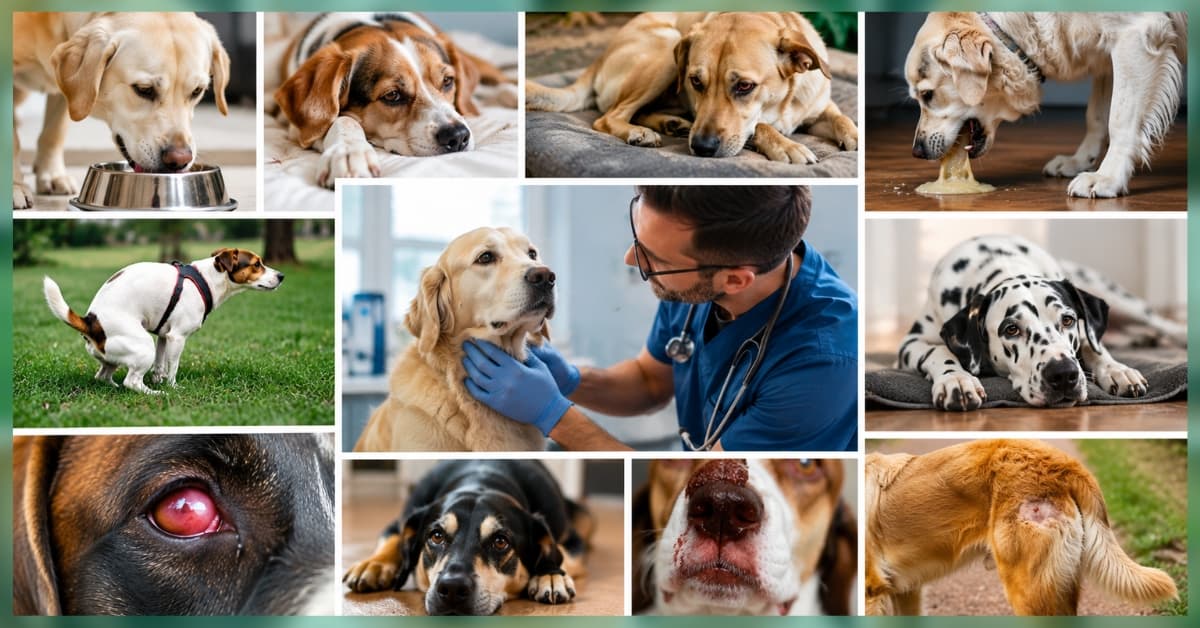
You know your dog better than anyone else. You know the sound of thier paws across the floor, the way they beg for treats, and the exact look they give when they want a walk. That's why one small change in thier behaviour can feel unsettling.
People observe their dogs because they want to find out whether dogs display unusual behavior. Pet owners choose to wait because they believe the situation will resolve itself gradually. The solution sometimes works. But when you delay and ignore the symptoms for a longer time thier treatable condition might turn into an emergency, which can turn fatal.
Your dogs use their instincts to conceal symptoms of distress and medical conditions. The disease reaches an advanced stage when the initial symptoms become visible to people. Veterinary specialists, together with the emergency animal hospital, state that dog owners must identify early warning indicators because their knowledge helps them protect their dog's health and save their best friend's life.
Why Recognizing Early Dog Illness Symptoms Matters
The study of veterinary medicine demonstrates through its research that early medical diagnosis leads to better treatment results and higher survival rates for dogs with heart disease and kidney disease, poisoning, gastric torsion, infections, and respiratory distress. Emergency veterinarians frequently report that delayed treatment is one of the biggest reasons otherwise treatable conditions become fatal.
The challenge is that dogs cannot tell you when something hurts. The dogs use their bodies and their actions to display their pain. The process of recognizing rare symptoms requires complete focus and understanding.
Below are the most important warning signs veterinarians say should never be ignored.
1. Difficulty Breathing or Excessive Panting
The situation becomes critical when your dog shows breathing difficulties through gasping and wheezing, together with excessive panting during times of rest.
The body uses panting as a normal response to exercise and hot weather conditions. The sudden onset of breathing difficulties together with persistent symptoms during your dog's calm state needs to be taken as a sign of serious medical conditions, which include heart disease, allergic reactions, pneumonia, airway obstruction, heatstroke, and fluid buildup in the lungs.
Watch carefully for symptoms like:
-
Blue, pale, or gray gums
-
Neck stretched forward while breathing
-
Rapid chest movement
-
Loud wheezing sounds
-
Collapse or weakness
Dogs experiencing respiratory distress can deteriorate quickly. If breathing seems labored or unusual for more than a few minutes, contact an emergency veterinarian immediately.
2. Repeated Vomiting or Severe Diarrhea
The vomiting episode will determine whether the situation poses a threat to health. Dogs vomit after they eat too quickly or after they eat something that irritates their stomach. The situation becomes different when a person experiences repeated vomiting and diarrhea.
Veterinary experts warn that continuous vomiting will lead to dehydration, electrolyte imbalance, and shock. The condition may indicate poisoning, intestinal blockage, pancreatitis, kidney disease, or internal bleeding.
You should seek urgent vet care if your dog:
-
Vomits multiple times in a few hours
-
Has blood in vomit or stool
-
Has black or tar-like stool
-
Cannot keep water down
-
Appears weak or lethargic
-
Has a swollen abdomen
Puppies and senior dogs are especially vulnerable because dehydration affects them faster.
3. Sudden Loss of Appetite
Dogs sometimes miss their meals when they experience stressful situations or when the weather changes. People should always pay attention to cases of food refusal that last more than one day for emergency situations.
People usually experience their first signs of illness through loss of appetite. The condition indicates dental pain together with infections, liver disease, kidney problems, gastrointestinal obstruction, poisoning, and severe inflammation.
Your dog uses food refusal to indicate that it might have an internal health problem when it stops eating all its food and treats and begins to leave food uneaten. A prolonged lack of eating can weaken your dog rapidly, particularly in smaller breeds.
4. Extreme Lethargy or Sudden Collapse
Dogs experience days when they do not want to move. Normal tiredness exists as a separate state that people experience, different from actual lethargy.
If your dog suddenly displays weakness and shows no interest in moving, and he cannot stand correctly and collapses without warning, you should take him to a veterinarian for urgent medical assessment.
Lethargy is associated with several dangerous conditions, including:
-
Internal bleeding
-
Severe infections
-
Heart disease
-
Poisoning
-
Heatstroke
-
Anemia
-
Low blood sugar
Veterinarians emphasize that sudden collapse should always be treated as an emergency, especially when paired with pale gums, rapid breathing, or vomiting.
5. Bloated or Hard Abdomen
The initial appearance of a swollen belly seems to show no danger, but actual life-threatening danger exists for dogs when their abdominal area becomes swollen.
The veterinary field considers Gastric Dilatation-Volvulus (GDV), which people refer to as bloat, to be one of its most dangerous emergencies. The stomach develops a gas-filled condition, which leads to a twisted state that prevents blood circulation. The condition mainly affects big dogs with deep chests, yet it can occur in any dog breed.
Symptoms include:
-
Distended or tight stomach
-
Unsuccessful retching
-
Restlessness
-
Rapid breathing
-
Drooling excessively
-
Weakness or collapse
Without emergency surgery, GDV can quickly become fatal.
6. Seizures, Tremors, or Loss of Consciousness
The experience of watching your dog experience a seizure brings intense fear. Seizures may involve shaking, muscle twitching, paddling movements, drooling, staring, or temporary unconsciousness.
A veterinarian must assess even a single brief seizure. The three types of emergencies include multiple seizures, prolonged seizures, and seizures that cause a person to collapse.
Possible causes include:
-
Epilepsy
-
Poison ingestion
-
Brain disease
-
Heatstroke
-
Liver disorders
-
Low blood sugar
If your dog loses consciousness or does not recover normally after a seizure, immediate care is critical.
7. Pale, Blue, or Yellow Gums
The normal gum color of healthy dogs appears as a pinkish shade. Dog dental health can be assessed through the observation of their gum color.
Veterinary emergency experts consider abnormal gum color a major warning sign.
-
Pale gums may indicate anemia, blood loss, or shock
-
Blue or gray gums suggest oxygen deprivation
-
Yellow gums can signal liver disease
You can gently lift your dog’s lip to check. You need to take your dog to the vet if their gums show unusual color changes and the dog also exhibits weakness or breathing difficulties.
8. Difficulty Urinating or Defecating
The situation becomes critical when your dog experiences repeated attempts to urinate without success or total inability to urinate.
Urinary blockages can rapidly damage the kidneys and become fatal without treatment. The combination of constipation and abdominal pain indicates either an obstruction or a severe gastrointestinal condition.
Pay attention if your dog:
-
Cries while urinating
-
Produces very little urine
-
Strains repeatedly
-
Has blood in urine
-
Cannot poop normally
-
Seems restless or uncomfortable
Male dogs are particularly vulnerable to urinary obstruction.
9. Sudden Weight Loss or Excessive Thirst
The common occurrence of gradual weight changes through aging makes it difficult to explain the sudden weight loss experienced by people. Veterinarians warn that sudden weight loss can point to diabetes, cancer, kidney disease, intestinal disorders, or hormonal imbalance.
People who own pets tend to experience excessive thirst, which functions as a second symptom. If you suddenly find yourself refilling the water bowl more often, or your dog begins urinating frequently indoors, it may indicate
-
Diabetes
-
Kidney disease
-
Cushing’s disease
-
Hormonal disorders
Research shows that increased water intake is often one of the earliest detectable signs of chronic disease in dogs.
10. Sudden Behavioral Changes or Signs of Pain
The most obvious indication of your dog's illness shows itself through his abnormal behavior. Dogs express their discomfort through three specific patterns, which include aggressive behavior combined with withdrawal and anxiety, restlessness, and extreme silence. Some dogs hide under furniture. Other dogs show constant movement, while some dogs choose to remain standing instead of sitting or lying down.
You should never ignore behaviors such as:
-
Crying or whining unexpectedly
-
Growling when touched
-
Hiding
-
Excessive licking of one area
-
Limping
-
Confusion or disorientation
Pain-related behavioral changes are frequently linked to injuries, neurological disorders, arthritis, infections, or internal disease.
When You Should Go to an Emergency Vet Immediately
Some symptoms should never wait for a regular appointment. The emergency veterinary organizations, together with poison control experts recommend people should go to emergency departments if their dog experiences
-
Trouble breathing
-
Continuous vomiting
-
Seizures
-
Collapse
-
Severe bleeding
-
Poison ingestion
-
Bloated abdomen
-
Inability to urinate
-
Loss of consciousness
-
Broken bones or trauma
The ASPCA Animal Poison Control Center also advises people to save emergency contact numbers in their mobile devices because their dog might consume dangerous foods or hazardous substances. Common household toxins include chocolate, xylitol, grapes, onions, medications, and rodenticides.
How to Monitor Your Dog’s Health at Home
Veterinarians recommend building a baseline understanding of what is “normal” for your dog.
Monitor:
-
Appetite and water intake
-
Bathroom habits
-
Energy levels
-
Gum color
-
Breathing rate
-
Weight changes
-
Walking and mobility
Small daily observations often help detect disease earlier than annual checkups alone.
You should also schedule regular veterinary wellness exams, even if your dog appears healthy. Preventive care dramatically increases the chance of identifying illnesses before they become emergencies.
Final Thoughts
Your dog depends on you to recognize when something is wrong. The difficult reality is that dogs often hide discomfort until illness becomes advanced. What looks like “just tiredness” or “a minor stomach issue” can sometimes be the beginning of a serious medical emergency.
Trust your instincts. If your dog suddenly seems different, uncomfortable, weak, or distressed, it is always safer to contact a veterinarian sooner rather than later. Acting quickly could save your dog’s life.
Reliable Sources and Veterinary References
-
American Kennel Club Veterinary Advice
-
Healthline Veterinary Reviewed Dog Symptoms Guide
-
ASPCA Animal Poison Control Center