
Why Green Products Are Exploding in the U.S. in 2026: What Smart Consumers Are Buying Now
Business to Consumer
April, 13, 2026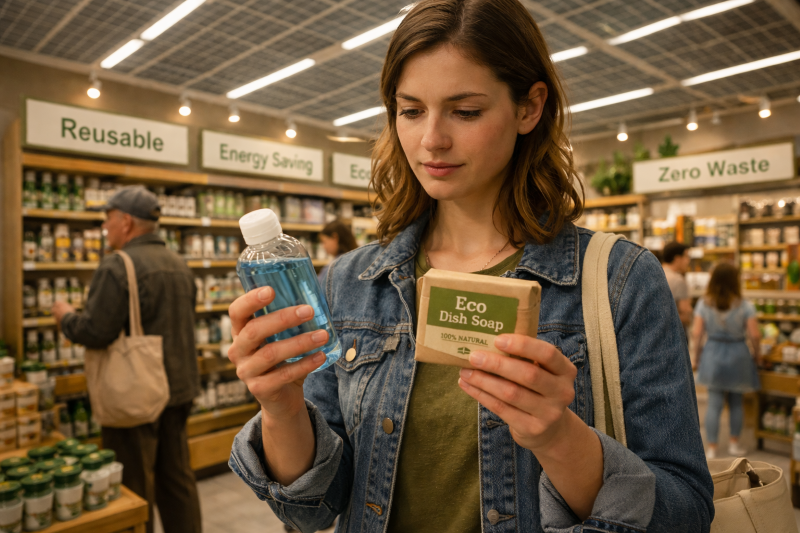
Walk into any major retail store in the United States in 2026—whether it’s a supermarket, a fashion outlet, or even an electronics showroom—and one thing becomes immediately clear: sustainability is no longer a niche selling point. It is front and center. Labels like “eco-friendly,” “carbon-neutral,” “non-toxic,” and “recyclable” are not just marketing buzzwords anymore; they are decisive factors influencing millions of purchases every day.
The U.S. market for environmentally friendly products has experienced steady growth during the past ten years, yet the year 2026 will serve as the critical point of market transformation. Environmental issues have reached a level at which consumers now use their spending power to create market changes. People now expect what they previously considered to be a premium lifestyle choice.
The process of transformation requires multiple essential elements to operate effectively. Climate awareness and health consciousness, economic incentives, generational influence, and technological advancement create a powerful combination that drives this process. The article uses research data from top research institutions to investigate the reasons behind the increasing popularity of green products in the United States, while showing what customers currently select from available options.
A Market Transformation Backed by Data
The growth of green products provides measurable evidence of their advancement across different sectors. Multiple research reports confirm that sustainability is driving a significant share of consumer market expansion.
The NYU Stern Center for Sustainable Business reports that sustainable products achieve better market performance than traditional products, which creates higher consumer packaged goods (CPG) market growth. The products expand at a speed that approaches three times their conventional counterparts.
The consumer sentiment research shows that it matches the current market trends. The results of PwC and NielsenIQ surveys show that most Americans now view sustainability as essential when they make product purchases. Eco-friendly products now have more appeal to consumers because they actively search for these sustainable options.
The main point to understand is how often something occurs. The movement toward sustainable practices has now achieved permanent status because it no longer depends on single instances of purchasing. Consumers now prefer sustainable products, which they buy every week or every day, because they want to purchase organic groceries, reusable household items, and energy-efficient devices.
The current level of sustainability practices shows that people have adopted environmentally friendly behavior as their standard daily practice. The process of establishing a new habit makes it hard for people to return to their former ways.
Climate Awareness Has Become Personal
Americans now perceive climate change as a real danger that they experience in their daily lives. Environmental disturbances now affect people's everyday activities across the United States through western wildfires, southern hurricanes, and abnormal temperature changes.
People experience strong psychological impacts because of their actual life experiences. People now observe climate change effects directly instead of depending on scientific studies and policy talks to understand the issue. People now make buying choices that reflect their personal values and emotional states.
People are increasingly asking themselves simple but powerful questions before buying something:
Is this product harmful to the environment? Can I choose a better alternative?
People now regard their choice of a reusable water bottle over single-use plastic as an important step toward making a positive impact. The green product market expansion derives its strength from individual consumers who take their environmental obligations seriously.
The Health Factor: Sustainability Meets Personal Well-Being
The increasing relationship between environmental sustainability and personal health, which has become a major driver of green products. People now understand that common products, which include chemical cleaners, processed foods, synthetic fabrics, and plastic packaging, contain hidden dangers.
People now want products that provide both environmental protection and human safety. The broader movement includes organic foods, plant-based diets, and non-toxic cleaning supplies and "clean beauty" products.
People use eco-friendly products because they want to safeguard the environment and protect their own health and safety. The belief that sustainable products provide safe usage has become a fundamental part of how people make purchasing decisions.
Parents and young professionals, in particular, demonstrate a higher tendency to purchase products that provide both environmental protection and health advantages. Companies that effectively merge both of these components will obtain a strong advantage over their competitors.
The Influence of Millennials and Gen Z
Millennials and Gen Z movements through 2026 consumer trends. These generations are not only shaping the demand for green products—they are redefining what it means to be a responsible consumer.
Younger consumers today evaluate brands through their values instead of only checking product prices and features. They want to know where products come from, how they are made, and what impact they have on the world
The need for transparent information presents a vital requirement. Companies that do not show their sources and production methods and the environmental effects of their operations lose customer trust, which leads to business failure.
The effect has been increased by social media platforms. Instagram, TikTok, and YouTube serve as effective platforms that help people learn about sustainable living. Content creators and influencers show eco-friendly products while they reveal greenwashing practices and promote responsible consumer behavior.
The Economics of Sustainability shows that customers need to pay higher prices, yet they still demand the full value of what they receive.
The Economics of Sustainability: Paying More, But Expecting Value
One of the most debated aspects of green consumption is pricing. While it is true that many sustainable products come with a higher price tag, consumer behavior in 2026 reveals a more nuanced reality.
Most Americans will spend extra money to buy eco-friendly products when they recognize the actual worth of those products. The value of a product can be demonstrated through its superior quality, extended lifespan, enhanced health advantages, and its compatibility with individual customer values.
There exist definite boundaries that need to be followed. The environmental dedication of consumers will vanish when they face excessive price increases. The industry experts now refer to this phenomenon as "accessible sustainability."
Current market competition requires brands to develop environmentally friendly products that preserve their existing product quality. The combination of manufacturing advancements and supply chain improvements, together with material research developments, is creating cost reductions that enable more people to access sustainable product alternatives.
The retail industry includes both major retailers and private-label brands that enter this market to lower product prices while making products more widely available.
What Smart Consumers Are Buying in 2026
The green product boom spans multiple product categories because it extends beyond a single one. It exists across various industries, each go through its own process of change.
Eco-friendly cleaning products have become essential in American households throughout the United States. People now choose plant-based cleaning products because they biodegrade and keep their users safe instead of using dangerous chemical cleaners. People now use reusable products, which include silicone food storage bags, beeswax wraps, and refillable containers as replacements for single-use plastic items.
Packaging has become an essential element that consumers use to make purchasing decisions. Many consumers now actively avoid products with excessive or non-recyclable packaging. Brands that offer compostable, recyclable, or minimal packaging obtain a distinct competitive edge.
Organic and plant-based products drive most of the growth in the food sector. Consumers choose food products based on two factors: their nutritional content and their environmental sustainability. Locally sourced and seasonal products have gained popularity because people believe these products create a smaller environmental impact.
The fashion industry is undergoing a transformation that displays its current state of development. The fast fashion industry, which used to be the leading force in fashion, now faces increased opposition because of its harmful effects on both the environment and social responsibility. Sustainable fashion has gained popularity among consumers because it offers clothing made from recycled materials through factories that provide fair labor conditions and create products that last for extended periods.
The technology sector and the home improvement industry both experience ongoing transformations. Modern homes now include energy-efficient appliances, smart home systems, and solar-powered devices as standard features. The products provide two main benefits because they decrease environmental harm while delivering extended financial benefits, which make them beneficial for long-term use.
The Trust Gap: Fighting Greenwashing
The rising need for environmentally friendly products leads to expanding doubts among people. Consumers have acquired greater knowledge about greenwashing, which refers to the practice of creating false or exaggerated environmental statements.
The situation has produced a gap in trust between the two groups. People desire to select responsible products yet lack knowledge about which items actually meet sustainable standards.
The need for certifications, together with third-party validations, has grown more crucial to solve this problem. The USDA Organic, Energy Star, Fair Trade, and EPA Safer Choice labels function as trustworthy indicators of product credibility.
Companies are spending money on making their operations more transparent. Companies that want to establish trust with their customers now use detailed product information together with sustainability reports and traceable supply chains as standard business practices.
The year 2026 will treat credibility as an equal requirement to sustainability.
Barriers That Still Exist
The rapid expansion of green products faces multiple obstacles that need to be addressed.
High expenses serve as the main obstacle that prevents lower-income families from accessing sustainable products. People find it difficult to obtain sustainable products because their prices are decreasing, yet they remain unavailable to all.
Another challenge exists because people face information overload. Consumers experience confusion because they need to choose from numerous products that all claim to be environmentally friendly.
People face a barrier that prevents them from reaching their intended goals. Many people express a desire to live sustainably but struggle to change their habits due to convenience, availability, or lack of awareness. The green product market needs these barriers to be removed because they prevent its future growth.
How Businesses Are Adapting
Companies from all sectors are implementing substantial operational and strategic changes in response to increased sustainability demands that require their organizations to adopt environmentally friendly practices.
The primary business objective requires companies to develop new products through their research and development activities. The companies dedicate their resources to research and development efforts, which aim to create environmentally friendly products that satisfy customer needs while delivering full product performance.
Supply chains undergo restructuring to achieve two goals, which include environmentally-friendly raw material sourcing and emission reduction through transportation methods.
The company considers packaging redesign as a primary goal. The brands adopt recyclable or compostable materials for their products, while some companies test refill and reuse systems.
Sustainability now stands as the fundamental element that defines brand identity. Companies have adopted sustainability as their main business framework instead of treating it as an optional extension.
The Future of Green Consumption in the U.S.
Looking ahead, the momentum behind green products shows no signs of slowing down. If anything, it is expected to accelerate.
Emerging technologies such as artificial intelligence and blockchain are being used to improve supply chain transparency and track environmental impact. Circular economy models—where products are designed to be reused, repaired, or recycled—are gaining traction.
Government regulations are also likely to play a bigger role, with stricter standards for environmental claims and increased incentives for sustainable practices.
As these trends continue, sustainability will become less of a differentiator and more of a baseline expectation. In other words, being “green” will no longer be special—it will be standard.
Conclusion: A Fundamental Shift in Consumer Behavior
The rise of green products in the United States in 2026 is not just a trend—it is a fundamental shift in how people think about consumption.
Driven by climate awareness, health concerns, generational influence, and economic factors, consumers are redefining what it means to make a responsible purchase. They are asking more questions, demanding more transparency, and making more intentional choices.
The result is a marketplace that is more aligned with environmental and social values than ever before.
For businesses, the message is clear: sustainability is no longer optional. It is essential.
For consumers, the impact is equally significant. Every purchase is now an opportunity to support a better future.
And in 2026, that future is being shaped—one green product at a time.
References and Data Sources
- NYU Stern Center for Sustainable Business – Sustainable Market Share Index
- NielsenIQ – Global Sustainability Report
- PwC Consumer Intelligence Series – Sustainability Reports
- McKinsey & Company – Sustainability and Consumer Behavior Studies
- Mintel – U.S. Green Consumer Market Report
- U.S. Environmental Protection Agency (EPA) – Sustainable Materials Management Data
- U.S. Department of Agriculture (USDA) – Organic Market Trends
- Energy Star (U.S. Government Program) – Energy Efficiency Reports
- Deloitte – Sustainable Consumer Insights